Definition of Conservation.
The Process in which
preserving or saving the resources in our environment is called Conservation.
Conservation has to be practiced to sustain the availability of resources in the longer run in the future. With judiciously using and
following a nationwide resource planning, Sustainability and conservation can be achieved.

Definition of Deforestation.
The process of clearing
trees and forest land is called or addressed as Deforestation. It is an
important environmental issue of the current century which has lead to many environmental
concerns and hazards. Deforestation may be caused due to various factors such as Human activities, Forest fire and other
environmental activities like cyclone, tsunami etc.
CAUSES OF DEFORESTATION
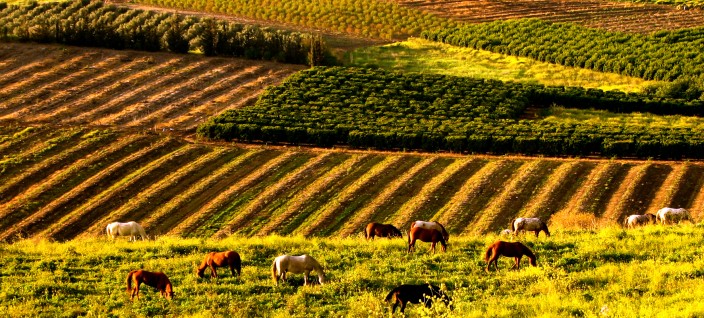
Agricultural
Expansion
Agriculture has been
providing for the country’s economic stability as well as its requirement.
Yielding large amounts of profits, for the nation as well as the farmer, it has
been one of the major areas wherein improvement has been looked forward too as
well as been done.
However, improving
agriculture necessitates the clearing of large tracts of lands. Thus, leading
to deforestation.
Fires:
Forest, or otherwise.
-Fires can reduce acres and
acres of forests into piles of mere ash.
-These can either be forest
fires, which are mainly natural, or Man-made wildfires. Due to the large
numbers of dead trees leftover by logging, fires are more common in such
forests.
-Man-made fires, on the other
hand, are caused by certain impulsive as well as foolish actions of people such
as the improper disposing of cigarettes and other inflammable substances.
According to statistics, humans have caused about 90% wildfires

Population
Increase
An increase in
population involves a rising need for human settlements. To satisfy this need,
huge acres of forests have been cleared out.
An increasing
population means not only more human settlements, but also more of the luxuries
people require, such as shopping malls, food courts etc., which also require
land, thus inducing deforestation.

Urbanisation
and Industrialisation

Urbanisation and industrialisation
go hand in hand, that is, where there is industrialisation urbanisation will
follow suit.
The setting up of
various industries also requires land, which is obtained from deforesting.
These industries, once set up, become sites of human residence. Humans then, as
mentioned above, require luxuries, for which forests have to be preyed upon.
Thus, industrialisation and urbanisation run concurrently.
CASE STUDY:
DEFORESTATION IN
INDONESIA AND INDIA
For the past few years
starting from July 1997, a vast area of Southeast Asia stretching from Thailand
and Philippines to Malaysia and Irian Jaya has been experiencing smog, caused
by forest fires on the main islands of Indonesia.
Indonesia’s forest wealth:
Indonesia possesses very rich biodiversity with regard to forests
and has one of the largest areas of tropical forest in the world. They have been preserved through
community-based forest resource management.
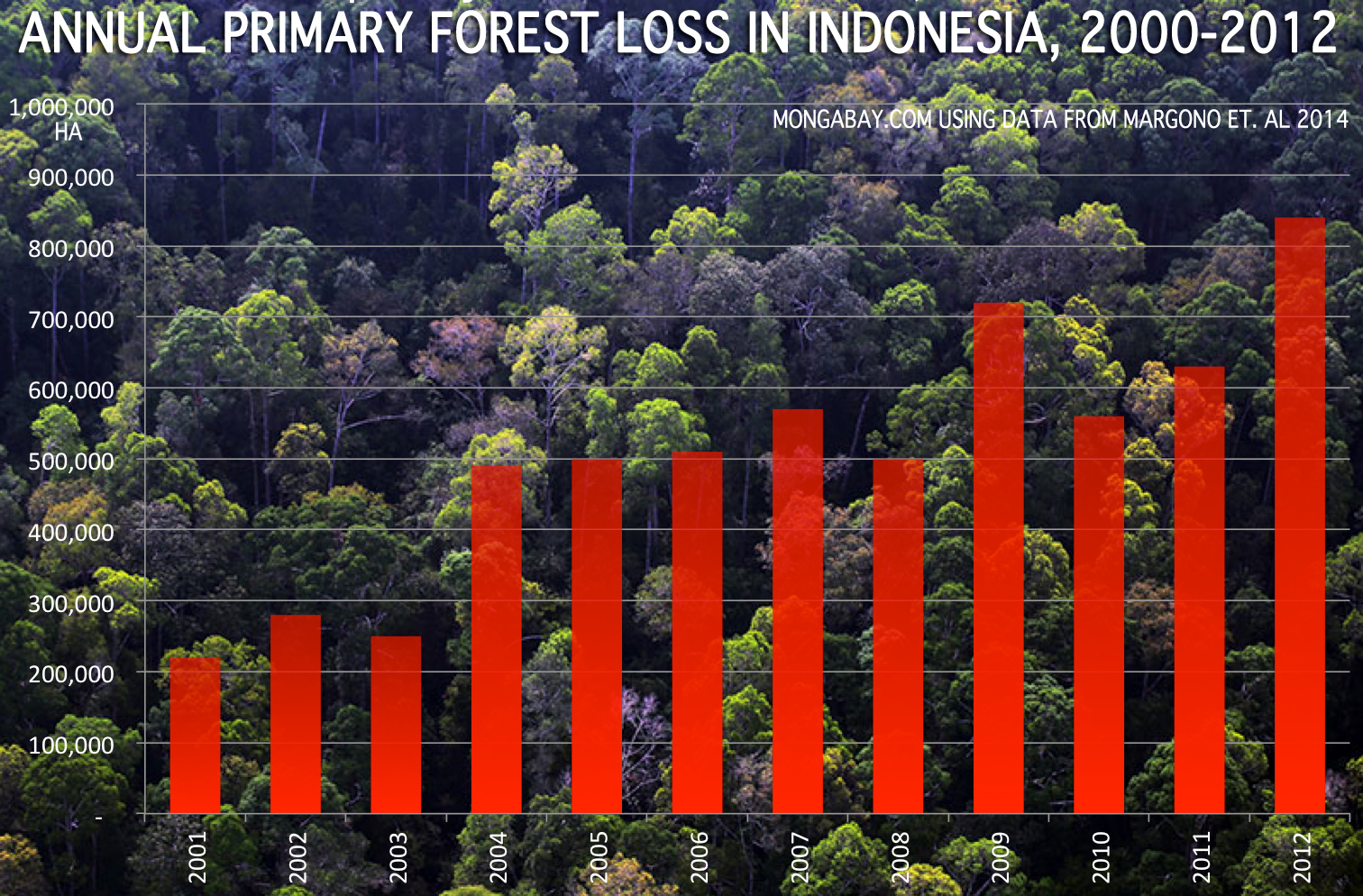
But for the past few years, about 2 million hectares of
forest land is being burnt every year. According to the Indonesian forest
reports, it has been accounted to have burnt 840,000 hectares of forest in
2012. In Sumatra, tens of thousands of square kilometers of forest have been cleared under the command of the
central government who act in accordance with multi-national companies to
remove the forest. They are often cleared by MNCs to be replaced by plantations
or agricultural fields.
El Niño is an ocean-atmosphere phenomenon that causes drier
conditions in much of Indonesia. In the recent years, large-scale land use
change in Indonesia, especially on the islands of Borneo and Sumatra, mean that
El Niño is increasingly associated with massive forests fires that spread a
choking haze and economic concerns across Southeast Asia.
CASE STUDY: INDIA
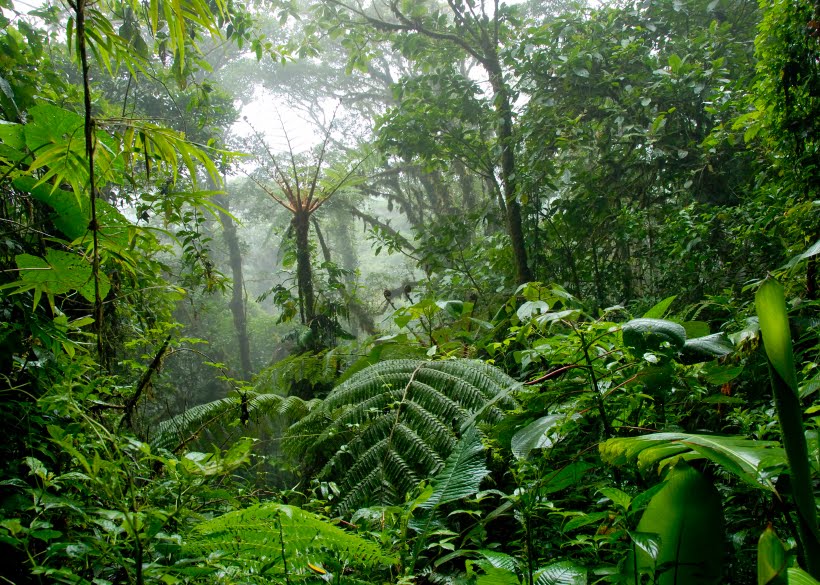
Ever since
industrialization, many urban countries including India have been facing the
problem of reducing air quality standards. According to one article about
India’s sacred rituals, “Forests were revered by the people and a large number
of religious ceremonies centered on trees and plants.” But, at present, India
is witnessing a rising demand for forest-based products.
•CAUSES:
This is causing
deforestation and encroachment into forest protected areas, which leads to a
severe loss of natural resources. With the rapid development of industries,
forest area is being constantly cleared. Further adding to this is population
explosion, which raises the demand for more housing area. Multi-purpose
projects also claim large area of land.
•IMPACTS:
This results in
decline of biodiversity and climate changes. Most forest areas which are
cleared become unsuitable for cultivation which adds to food availability
problems. It also leads to deterioration in the quality of air due to decline
in forests, which help to improve the air standards.
The government is
realizing the impacts of this issue and is joining hands with communities to
help restore the countries forest resources.
ROLE OF COMMUNITIES
Chipko
Movement:

The Chipko movement,
an organized resistance to the destruction of forests, was initiated in 1973.
The first Chipko action took place in the village of Mandal in the Alaknanda
valley and later spread to many districts of the Himalayas in Uttar Pradesh. It
was set off after the government’s decision to allot a plot of the forest area
in the Alaknanda valley to a sports goods company.
This angered them as their
similar demand to use wood for making agricultural implements had been denied
earlier. Sunderlal Bahuguna, a renowned Gandhian, started the non-violent
protest by clinging to the trees to save them from felling. Their main
objective was to maintain ecological balance and subsistence of the tribal
people who depended on the forests.
The
Silent Valley Project, 1978:
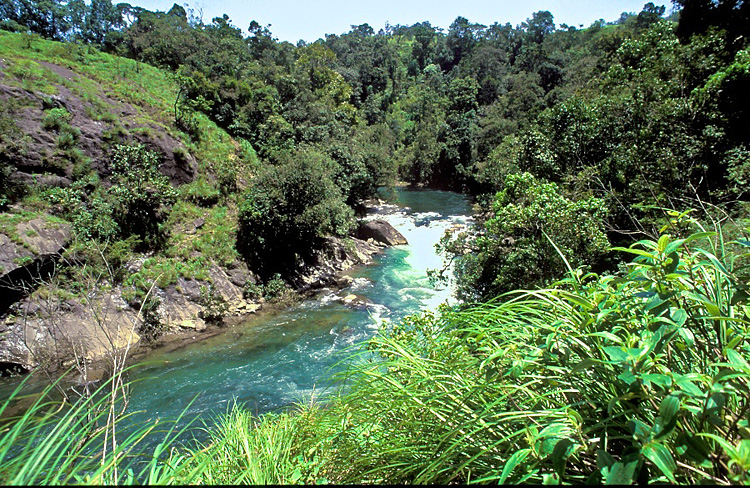
The Silent Valley
hydroelectric project was to dam the Kunthipuzha River.It was a battlefield of
personal agendas, between the then prime minister Morarji Desai, the Kerala
government and the environmentalists.
The Silent Valley
hydroelectric project was to dam the Kunthipuzha River, submerging the entire biosphere reserve and
destroying its four-million-year-old rainforests.In 1980,
the M.G.K. Menon Committee set up to review the project, came out with a recommendation to scrap it.
With 40 per cent of
its so-called surplus power being supplied to other parts and many villages of
Kerala waiting to be electrified, this grassroots movement became the bedrock
of Indian environmental activism .
Jungle
Bachao Andolan,
1980s:

It was this observation
that led to the birth of the Jungle Bachao Andolan, that began in Bihar
and later spread to states like Jharkhand and Orissa.
The tribals of Singhbhum district of Bihar
bubbled up a protest when the government decided to replace the natural Sal forests with
highly-priced teak, a move that was termed “a greed game, political populism”.
Appiko
Movement:
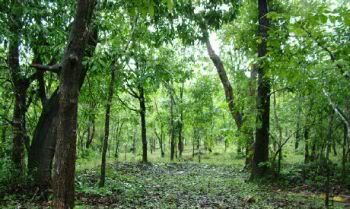
The Appiko movement was a
revolutionary movement based on environmental conservation in India. The Chipko
Movement had inspired the villagers of the Uttar Kannada District of Karnataka
to launch a similar movement in their state to protect their forests.
It was initiated by Panduranga Hegde in September 1983,
when the villagers of Saikani hugged the trees in Kalase forest. Trees were
being felled on a massive scale under the command of the forest department. The
villagers whose livelihoods were adversely affected protested against this.
Effects of deforestation
GLOBAL WARMING:
Global warming takes
place due to the green house gas (carbon dioxide).This green house gas is emitted due to various process
such as burning of trees or paper. Burning of these materials emit carbon dioxide.
This gas has the tendency
to absorb the heat present around it causing a rise in the temperature. Global warming also leads to
the rise of water in the sea due to the melting of glaciers.
Hydrological Cycle:
The water cycle is
also affected by deforestation. Trees extract groundwater through their roots
and release it into the atmosphere. When part of a forest is removed, the trees
no longer transpire this water, resulting in a much drier climate.

Deforestation reduces the content
of water in the soil and groundwater as well as atmospheric moisture. The dry
soil leads to lower water intake for the trees to extract. Deforestation reduces
soil cohesion, so that erosion, flooding and landslides ensue.
Soil Erosion:
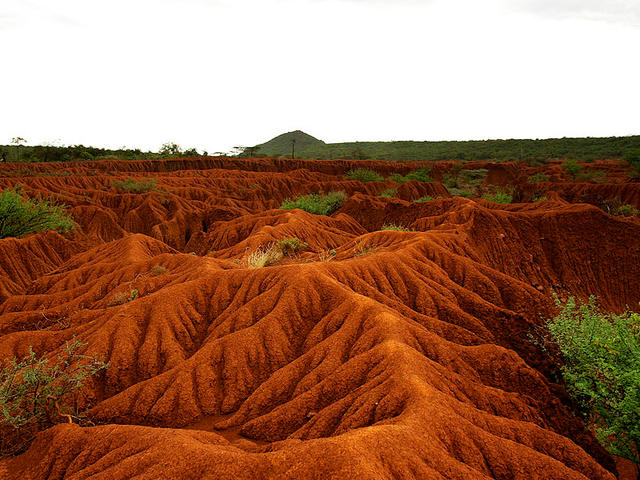
Undisturbed forests have a very
low rate of soil loss, approximately 2 metric tons per square kilometer.
Deforestation generally
increases rates of soil erosion, by increasing the amount of runoff and
reducing the protection of the soil from tree litter.
This can be an advantage
in excessively leached tropical rain forest soils. Forestry operations
themselves also increase erosion through the development of roads and the use
of mechanized equipment.
How to prevent
Deforestation
Grow trees:

To reverse the damage that has been done due to deforestation, grow more trees. Individuals should start this initiative by growing trees in their own backyards. Also, cutting of trees should be checked. If at all trees need to be cut, it should be old and dead trees which are going to collapse anyway, while the younger ones should be allowed to grow.
Spread Awareness:

The government should
stage campaigns and spread awareness on how deforestation has affected humans
adversely. Presentations should be made in schools and colleges on safeguarding
forests. Along with the Government, various non governmental and community
organizations, should take it upon themselves, to involve the people in putting
an end to cutting of trees.
Recycle:

Recycle the products
made from paper, plastic and glass that you use, such as shopping bags,
bottles, books, etc. Also, buy products that are recycled. It is not just
households, but even businesses, who should focus on using recycled products,
because if everybody starts doing this, it will reduce the need for raw
materials considerably and thus, less trees will be cut.
CONCLUSION

Conservation
of the environment is the need of the hour of today. There are several
environmental hazards which exist presently and deforestation is one of them.
Trees are an important natural resource without which life on Earth would be
impossible. We must leave the egocentric mind-set and care for the environment
for we do not own this world. We are simply borrowing this world of ours from
our future generations and have no right to give them a polluted sphere of the
mistakes done by us. So let us all together move in the right direction – the
direction of Conservation

No comments:
Post a Comment